
TME Posts Home

Lender fined $5.5 million after charging illegal fee 12,000 times

Wooden judge's gavel on colorful australian dollars
Small-loan lender Sunshine Loans has been hit with a $5.5 million Federal Court penalty after charging vulnerable borrowers thousands of illegal fees. Photo: Getty
Share
Twitter Facebook Reddit Pinterest Email
  • The Federal Court has ordered Sunshine Loans to pay $5.5 million after finding it charged an illegal $35 fee more than 12,000 times.
  • Justice Derrington said sole director Shane Powe gave evidence in “an attempt to cast the blame” on his lawyers.
  • A refund program expected to top $700,000 likely kept the penalty from being “substantially higher,” the judge wrote.

Small-loan lender Sunshine Loans was ordered Friday to pay $5.5 million for charging an illegal $35 fee, with the Federal Court finding its contraventions “were serious and deliberate.”

The Australian Securities and Investments Commission (ASIC) said in a statement that Sunshine Loans charged customers the fee more than 12,000 times between July 2016 and November 2020 for rescheduling a repayment while not in default, collecting almost $300,000.

The penalty is about two and a half times the $2.17 million profit the lender made in the 2025 financial year, with Justice Derrington warning that exploiting vulnerable borrowers “should not be countenanced by an insufficient penalty, lest the other market participants consider it to be an acceptable cost of doing business.”

A forensic accountant’s report filed by the lender said a penalty around this size would leave it unable to keep trading, but the judge said the evidence did not establish that.

The regulator sued the lender in June 2022 and later sought $10.5 million, while Sunshine Loans proposed $1 million, with penalties available only for conduct from March 13, 2019, a period covering 3,772 charges and $113,645 received.

The judge called $1 million “plainly not sufficient” and said $10.5 million “would be excessive.”

“Had it not been implemented, it is likely that the appropriate penalty would have been substantially higher,” he wrote of a refund program the lender expects to cost more than $700,000.

Sunshine Loans must pay half by February 5, 2027 and the rest by May 7, 2027, and must also pay ASIC’s costs.

The court found the lender liable in April 2024, the Full Federal Court ruled in ASIC’s favour on two appeals in March 2025, and the High Court dismissed the lender’s further appeal in March.

The lender argued its solicitors prepared the contracts, making its contraventions neither deliberate nor intentional.

Justice Derrington allowed for that, but said: “there is no evidence that SunshineLoans ever received positive advice to the effect that the Amendment Fee was legal.”
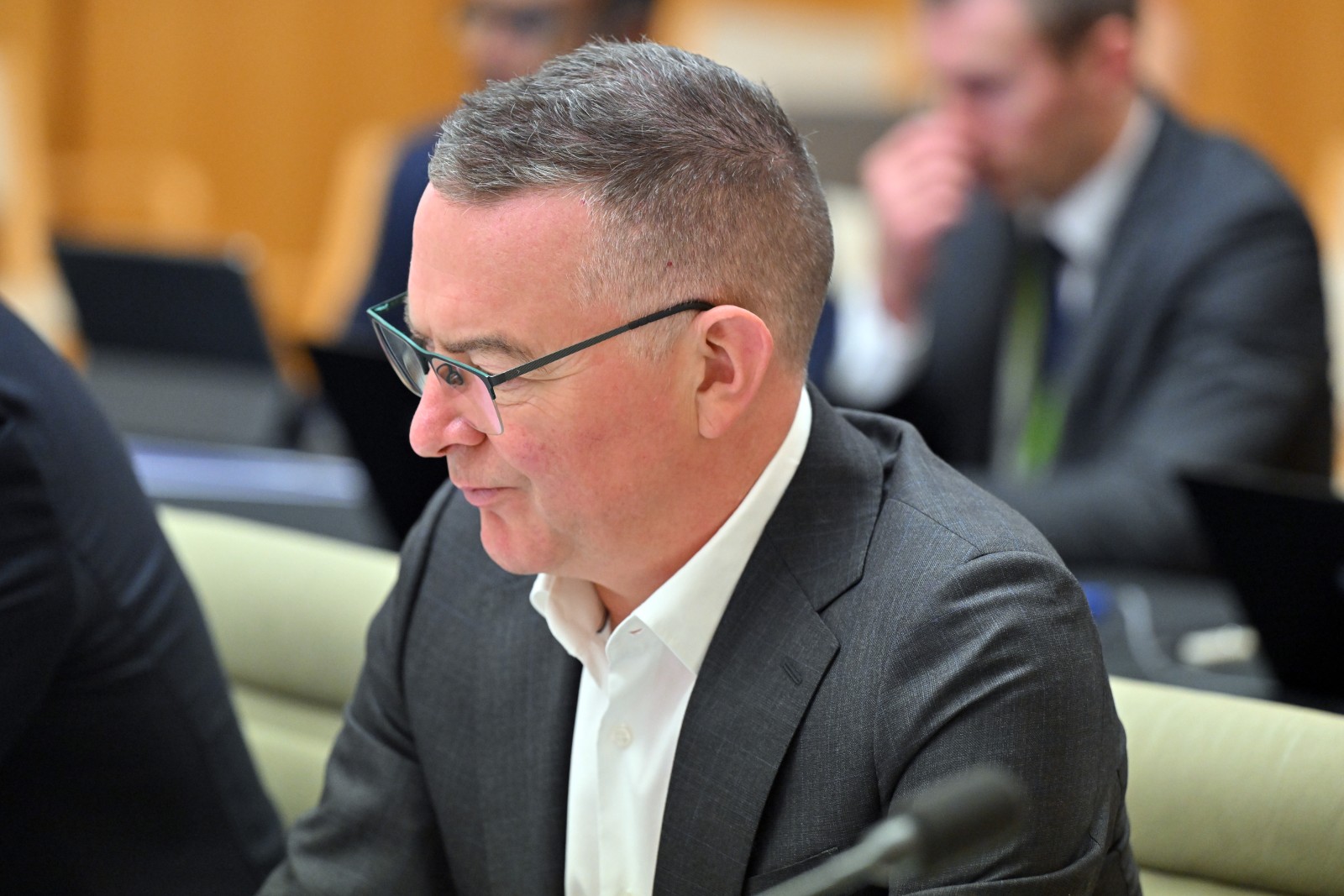
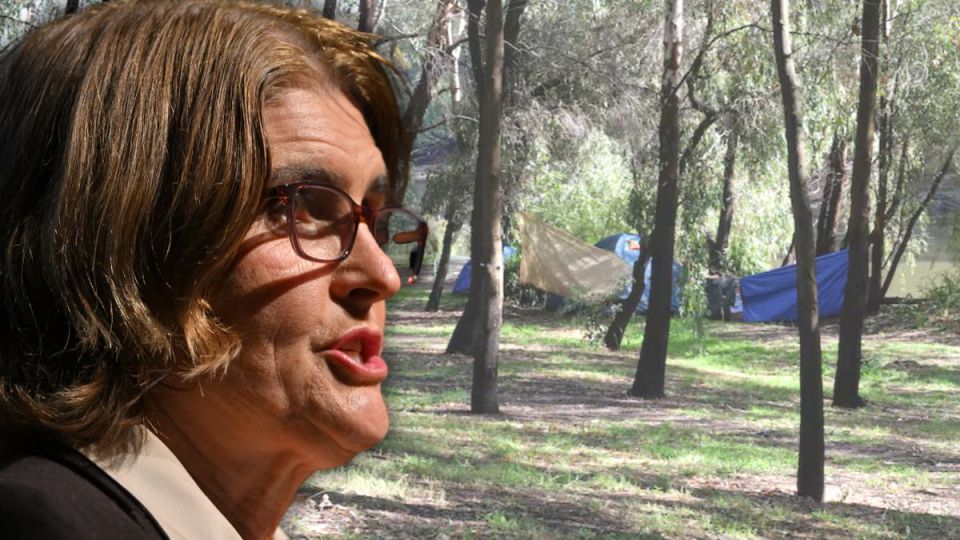
ASIC Commissioner Alan Kirkland said borrowers were turning to small loans to cover essential expenses, including medical bills, school fees and funerals, when they were charged unlawful fees. Photo: AAP

He found insufficient evidence that sole director Shane Powe knew the fee was unlawful, but wrote that “he ought to have been aware.”

Powe appeared to make “the calculated decision to give evidence in an attempt to cast the blame for the Amendment Fee upon his lawyers,” the judge wrote, noting it is “difficult not to regard the claimed contrition as being a mere tactical step, made in the hope of lighter penalty.”

ASIC’s counsel called the lender’s defence “scorched-earth litigation,” which the judge said “was not an inapt description,” with many arguments “devoid of merit to the point of being potentially disingenuous.”

The fee sat in contracts affecting about 670,000 people, though “a relatively small proportion of people were ever required to pay the unlawful fee,” the judge wrote.

“These were people turning to small loans to pay for things like funerals, vehicle registration, school fees, medical procedures, and Christmas presents,” ASIC Commissioner Alan Kirkland said.

Sunshine Loans argued the fee brought in neither a substantial profit nor a substantial share of its income, but the judge said its impact “is likely to have been magnified relative to the amount actually charged and received.”

The law limits small amount lenders to establishment, monthly and default fees and government charges, and the amendment fee was none of those, ASIC said.

Sunshine Loans stopped charging the fee in November 2020, shortly after ASIC intervened and without admitting liability, and now offers loans of up to $3,500.

TME Posts Home

Death of an icon? What’s next for David Jones

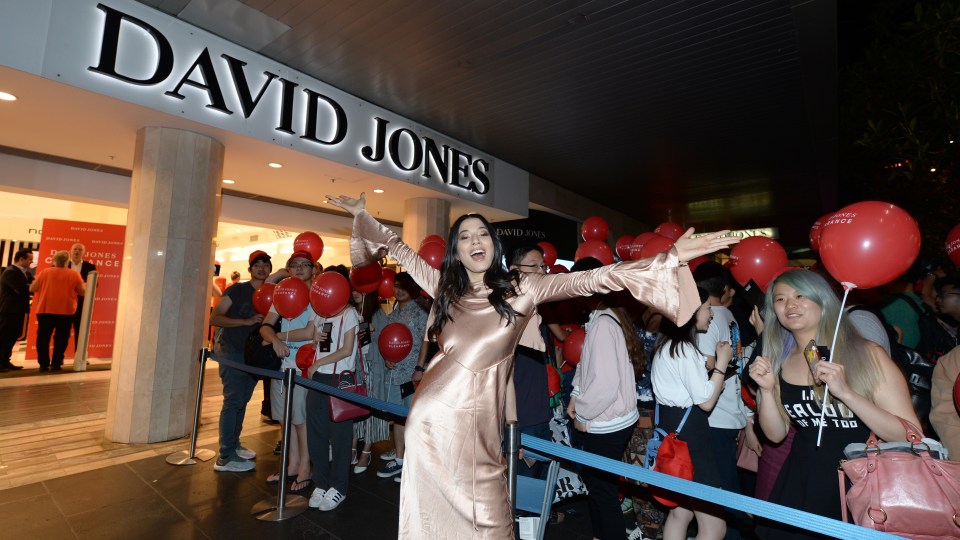
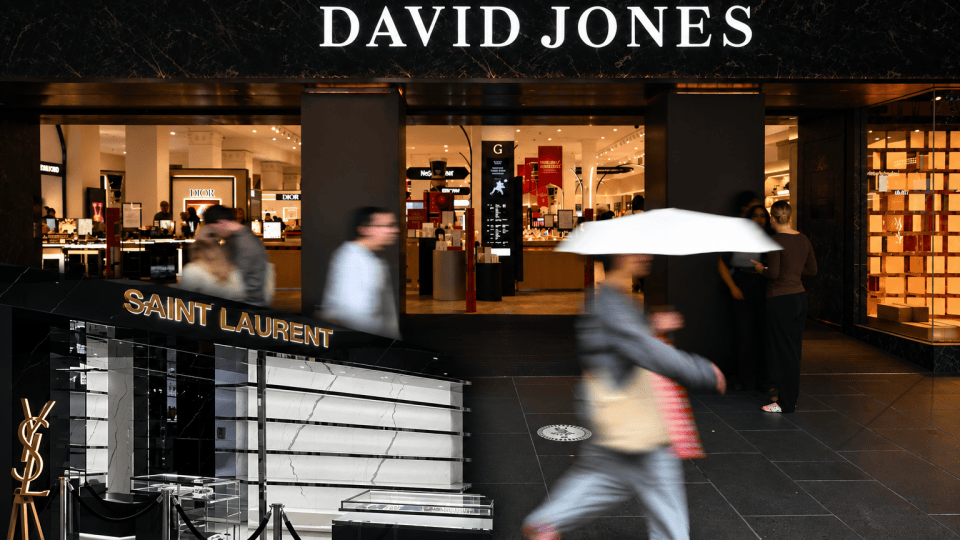
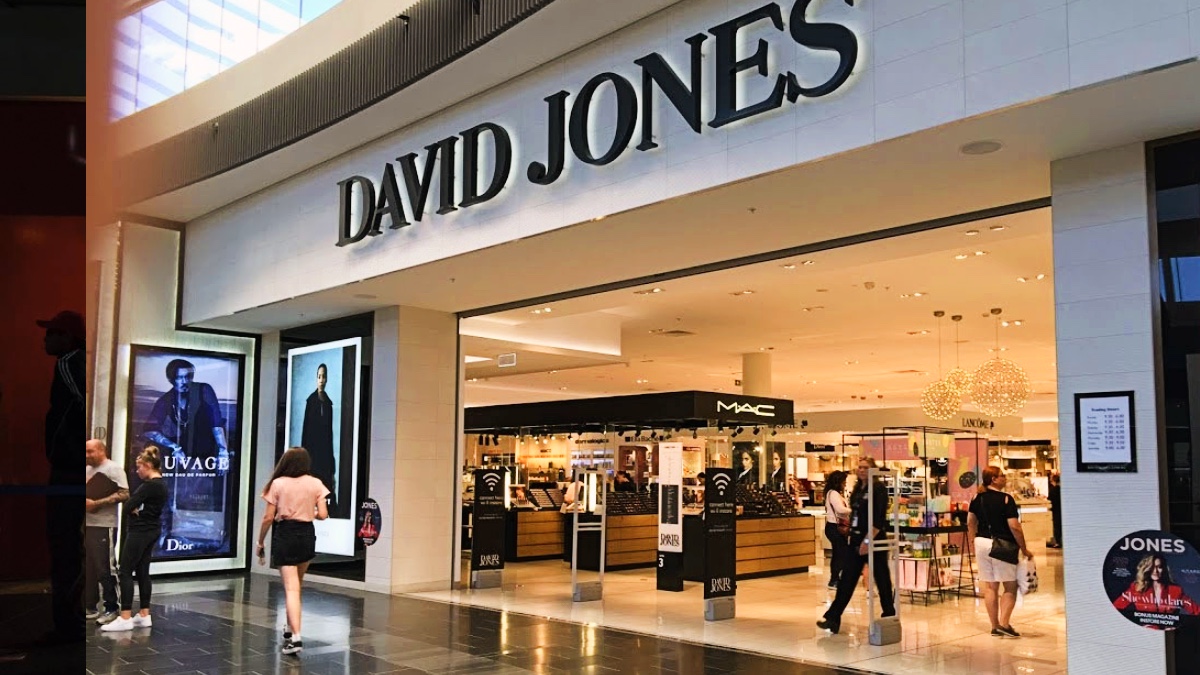
From the Christmas rush to Boxing Day sales, David Jones has been an iconic part of Australian retail for more than a century. AAP Image/Mal Fairclough
Share
Twitter Facebook Reddit Pinterest Email
  • The news of David Jones’ collapse into voluntary administration surprised few in the retail industry, but the pain for the iconic brand is just beginning.
  • From employees to suppliers to gift card holders, anyone who has debt to be paid by the retailer may have to make a claim on their stake.
  • Some brands are already pulling their stock from the retail floor, so the peak Black Friday and Christmas sale period may not be enough to keep the brand afloat.

After 188 years in business, having traded through two World Wars and The Great Depression, retailer David Jones collapsed into administration.

To many households, the downfall of such an iconic brand that was so intrinsically linked to Australian culture came as a shock.

But to industry insiders, the news had been a long time coming.

A combination of high overheads thanks to stores in flagship locations, and a fundamental shift in retail to low-end “big box” stores — or high-end shops having their own storefronts — meant David Jones found itself in retail no-man’s land.

Here’s what happens next for the brand:

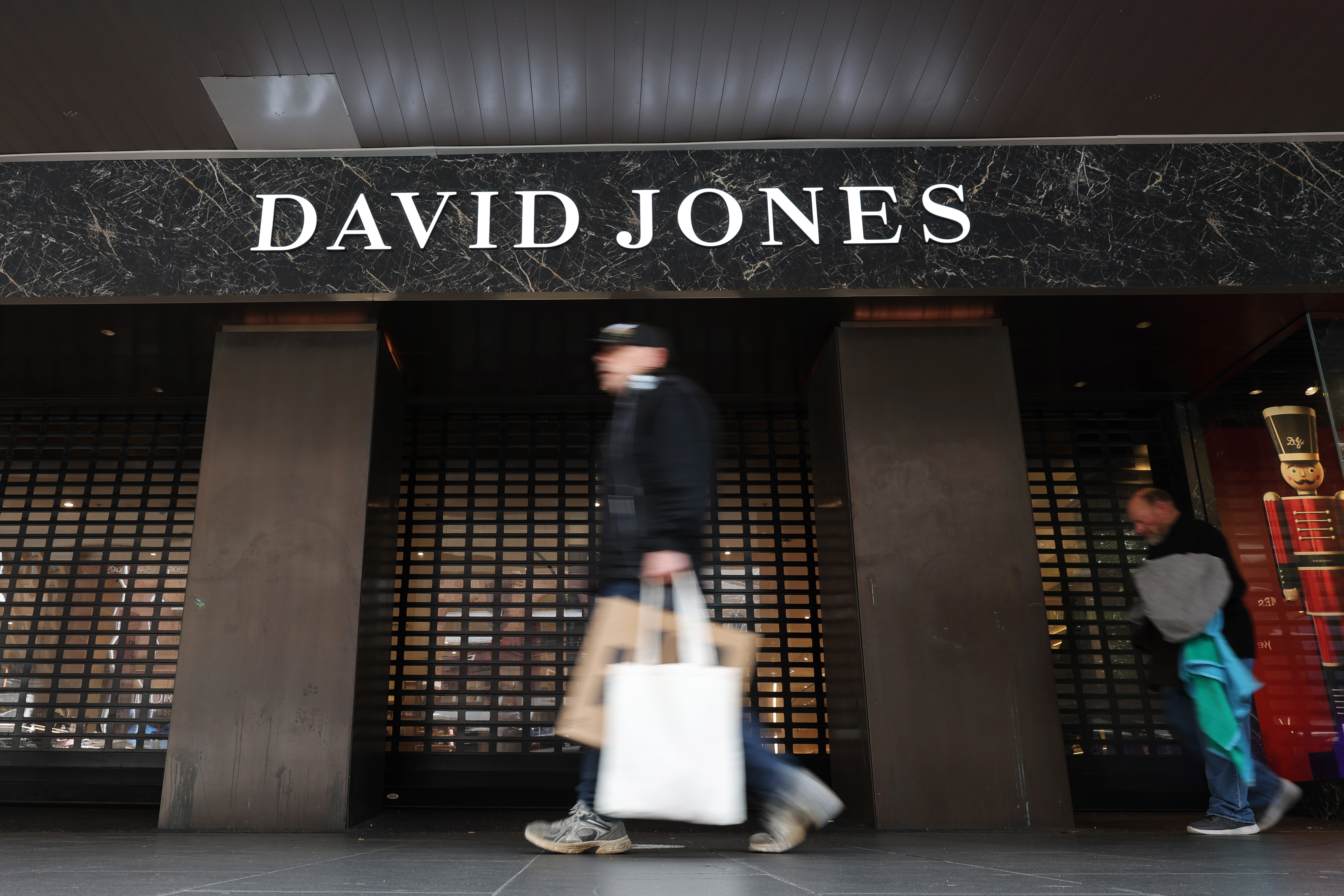
David Jones is the oldest department store in the nation, but it may have met its end. AAP Image/Jeremy Piper, File

What does going into administration mean?

In simple terms, a business enters voluntary administration when the owners and operators find it has become insolvent (either it has run out of money or can no longer pay its debts).

With declining sales and increasing rents, David Jones had found itself in a place where its forecasts (and its reality) meant it was not selling enough products to cover its expenses.

By appointing administrators, David Jones has effectively handed over the keys to the business for someone else to run.

In this case, the administrators are McGrathNicol, who will handle the day-to-day running of the business and the receivers are FTI Consulting, who will control David Jones’ assets and make a decision based on its books.

Between them, these insolvency experts will look at the business and make a decision that produce the best possible benefit for creditors.

This may be restructuring the business to make it profitable again (closing stores and sacking staff), selling it to a new owner, or liquidating the entire business and paying creditors with what can be sold.

Administrators could decide to restructure David Jones, sell it to a new owner, or liquidate it and sell off all assets. AAP Image/Con Chronis

Will the brand continue?

It’s not yet certain.

It is conceivable that the receivers find a way to make the business profitable, either in a smaller format or with a reduced presence in Australian retail.

Sometimes investors, such as private equity, will snap up a struggling business that still has good household brand impact.

Only those going through David Jones’ books can know the true financial situation it is in, and whether the brand should continue.

Will all the stores close?

Impossible to say at this stage. David Jones currently operates 38 stores across Australia and New Zealand.

If the brand continues, some David Jones stores may remain open, or it could survive as an online-only proposition.

Which stores survive, if any, depends on sales.

Flagship city stores (such as Elizabeth Street in Sydney and Bourke St in Melbourne) could remain open, thanks to higher sales, while more suburban stores may not.

Concession store shelves across David Jones’ flagship store are stripped of stock after the department retailer collapsed into voluntary administration. AAP/Eleanor Wilson

How many jobs will be lost?

David Jones currently employs around 6000 staff. In some cases, a business is placed into administration and then emerges without any loss of headcount.

However, that is unlikely in this case.

Gerard Dwyer, National Secretary of the SDA union, says the best outcome is for every worker to receive their full entitlements.

“Their jobs are at risk through no fault of their own; the administrators and executives must leave no stone unturned to ensure as many jobs as possible are retained and that affected workers receive their full financial and legal entitlements without delay,” he said.

Dr Tamara Wilkinson, from the Faculty of Law at Monash University, says employees will only get paid after Hilco Global, who is David Jones’ secured creditor.

“Because a receiver has been appointed over David Jones’ holding company by the corporate group’s secured creditor, it is likely that the secured creditor will receive some payment before employees or other creditors,” Dr Wilkinson explains.

“Whether employees get paid, and how much they receive, depends in part on which company assets are available and whether those assets are covered by the lender’s security.”

What if you’ve got a gift card?

Consumers with an unused David Jones gift card are being urged to use it as soon as possible, as a business in administration cannot guarantee it can be fulfilled.

Angus Kidman, shopping expert at comparison site Finder, says it’s best to get your gift card off your own books as soon as possible.

“If you’ve got a David Jones gift card, use it as soon as you can. If the business doesn’t find a buyer, that gift card will almost certainly be worthless,” he said.

“Stores appear to be accepting gift cards for now, so don’t delay. That also applies to any discounts you’ve earned through David Jones Rewards.”

gift cards
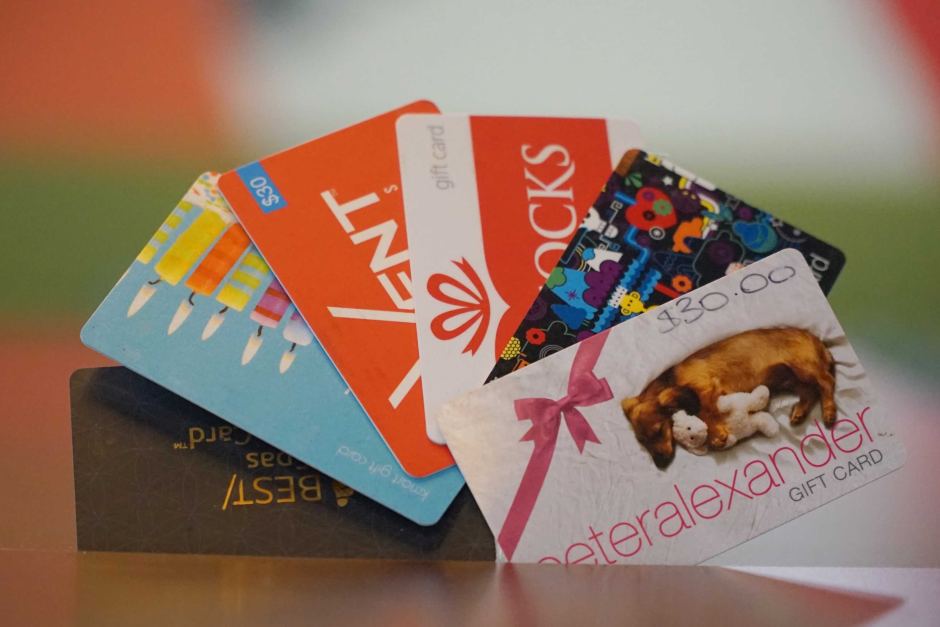
A gift card is essentially an unsecured loan to a business, and it could be lost if the business collapses. Photo: ABC

Why are luxury brands pulling their stock out of stores?

David Jones sets up contracts with luxury brands known as “concession deals”.

These brands effectively rent a section of the store, known as a “pad,” and pay David Jones a commission on every product sold.

The brands own the stock themselves, and pay the employees directly.

If administrators decided to shutter all of David Jones’ stores immediately, it is conceivable that every piece of stock behind the doors could be sold off to pay creditors.

That doesn’t sound like a big deal, but if you have a Louis Vuitton stand with possibly $300,000 worth of handbags on display, you’d likely want to reduce your exposure to losing that.

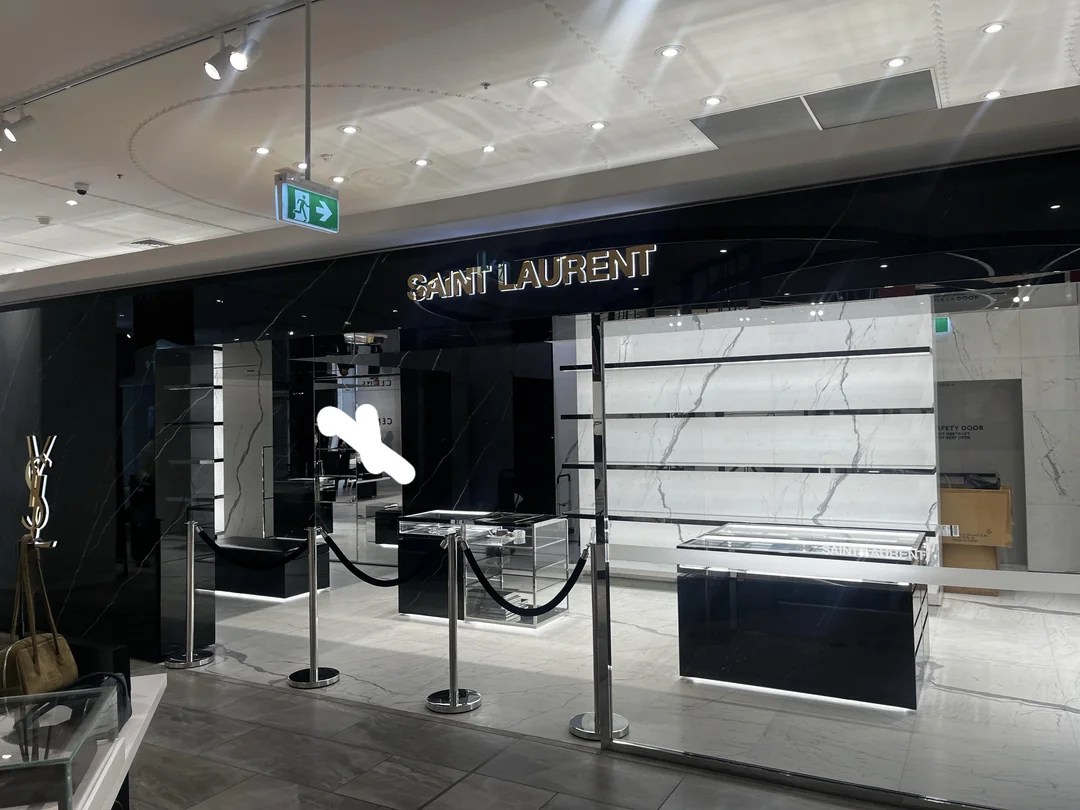
At David Jones’ flagship Bourke St store in Melbourne, the Saint Laurent pad had been cleared of stock. Reddit

What are the next steps?

The first creditors’ meeting will be held on Tuesday, where they will vote on keeping McGrathNicol as the administrator or appointing another.

Creditors will also vote on whether to appoint a committee of inspection to oversee the administration process.

Until then, it’s likely you’ll see David Jones trading as normal — albeit with some brands leaving empty shelves.

TME Posts Home

Snap crackdown hits businesses taking advantage of visa workers

top 10 tourist
Fair Work inspectors have targeted more than 60 Perth businesses in a crackdown on the potential exploitation and underpayment of migrant workers. Photo: TND
Share
Twitter Facebook Reddit Pinterest Email
  • Snap inspections began in Perth on Tuesday, targeting employers of subclass 482 visa holders, including many who hire chefs, the Fair Work Ombudsman said.
  • Inspectors are checking pay slips and wage records for underpayments, unlawful deductions and staff in roles that do not match their visa conditions.
  • The regulator secured $39 million in penalties in cases including visa workers in the eight financial years to June 2025.

Regulators have launched a snap crackdown on Perth employers of visa workers, targeting more than 60 businesses, most of them fast food outlets, restaurants and cafés.

The Fair Work Ombudsman (FWO), the Department of Home Affairs’ Australian Border Force (ABF) and Western Australia’s Department of Local Government, Industry Regulation and Safety (LGIRS) began the inspections on Tuesday in and around the Perth CBD.

Wholesale and retail bakeries, hair and beauty businesses and hotels were also inspected. Each business visited employs visa workers, a group which regulators consider at risk of exploitation.

The state regulator also joined the national inspection program for the first time, and the agencies are pooling intelligence to extend their reach, according to an FWO statement on Thursday.

“Teaming up with our fellow regulators, including sharing intelligence, can help us find and hold to account any businesses that are doing the wrong thing when it comes to employing migrant workers,” Fair Work Ombudsman Anna Booth said in the statement.

“Such breaches can be especially serious as these vulnerable workers may be unaware of their workplace rights or unwilling to speak up if something seems wrong,” Booth said.

The investigations are ongoing, with no findings released so far.

What are inspectors looking for?

Inspectors zeroed in on employers of subclass 482 visa holders, temporary workers with in-demand skills, and many of those employers hire chefs, a top occupation for visa workers.

Fair Work Inspectors have been reviewing pay slips and time and wage records, while ABF officers assessed businesses for signs of underpayments, unlawful deductions, and staff in roles that do not match their visa conditions.

Australian Border Force
one for an image inbody of the Australian Border Force
Australian Border Force officers joined Fair Work inspectors in a crackdown on Perth businesses, checking for visa breaches and the potential exploitation of migrant workers. Photo: AAP

“We are sending a clear message that Australia will not tolerate the exploitation of vulnerable migrant workers or abuse of the visa system,” ABF Acting Commander Chris Andino said.

Employers who break the rules “may face significant penalties, including infringement notices, civil action or being declared a prohibited employer,” he said.

LGIRS inspectors focused on businesses outside the national system with a poor compliance record or in industries prone to underpayment, testing whether they met state rules on minimum pay and records.

What protections do visa workers have?

“We want visa holders to know they have the same workplace rights as all other workers, and protections for their visas exist if they call out workplace exploitation,” Booth said.

Two Home Affairs pilots, the Strengthening Reporting Protections Pilot and the Workplace Justice Visa Pilot, tackle migration-related obstacles that can stop migrants on temporary visas from speaking up about exploitation.

The Perth inspections follow similar joint FWO and ABF audits, including about 40 businesses in South-East Queensland in June, and the FWO secured $39 million in penalties in cases including visa workers in the eight financial years to June 2025.

TME Posts Home
Updated:

Qantas to hike airfares as fuel bill hits bottom line

Qantas A380
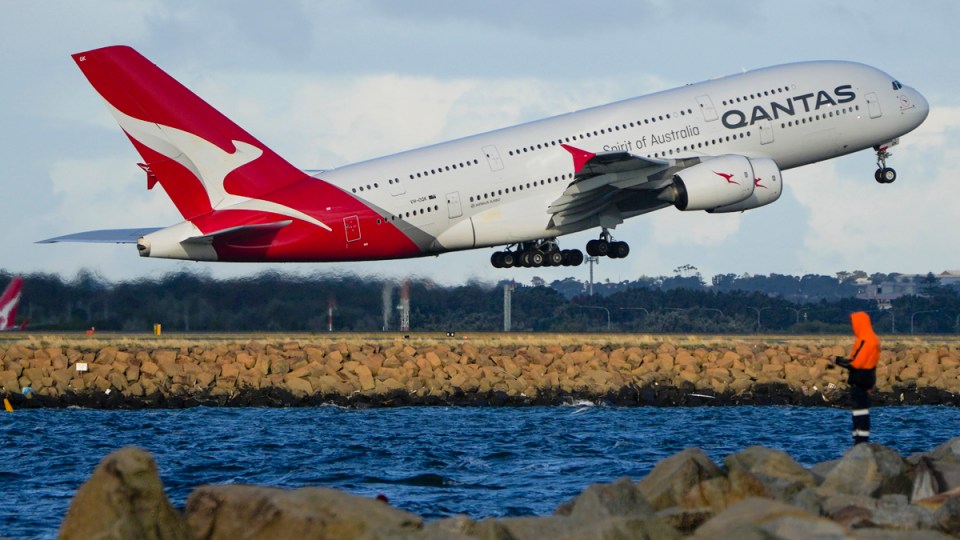
Qantas has flagged that it will need to adjust airfares and capacity in response to higher fuel costs. AP Photo/Mark Baker/File
Share
Twitter Facebook Reddit Pinterest Email
  • Australia’s biggest airline group will “adjust airfares and capacity” after its fuel bill came in higher than expected.
  • Qantas said, at its AGM, that the prolonged war in Iran was weighing heavily on fuel costs.
  • Despite this, travel demand remained high, particularly on routes that avoided the Middle East.

Qantas says it will have to adjust its airfares and consider capacity after the war in Iran kept its fuel bill elevated far longer than first forecast.

Providing an update to the market this morning, Qantas said it now predicts its first-half fuel bill to be $3.75 billion.

For the same period a year earlier, before the war began, its bill was around $2.6 billion.

As a result, the airline said it will be reviewing its margins.

“The Group has and will continue to adjust fares and capacity in response to higher fuel costs,” it told shareholders.

“The Group’s FY27 net capital expenditure is now expected to be at the lower end of the previously guided range of $4.3 billion to $4.6 billion.”

Qantas
Despite the soaring fuel bill, Qantas says travel demand remains strong. Photo: AAP

Despite the soaring fuel costs, Qantas said demand for flights remained relatively strong, particularly on routes to Europe that avoided the Middle East.

“Demand remains resilient as customers continue to prioritise travel,” the board said.

“International demand across Qantas and Jetstar remains strong, supported by customers redirecting travel away from the Middle East. Domestic leisure demand remains strong.

“Non-resources corporate and government travel remains stable and is being closely monitored.”

In a speech to shareholders at the airline’s AGM today, CEO Vanessa Hudson told investors that “Project Sunrise” — the airline’s first Sydney-to-London flight non-stop — is on track to happen in October.

“Project Sunrise is the next great innovation in our future,” she said.

“But our fleet renewal is far bigger than Project Sunrise, with over 200 new aircraft joining Qantas and Jetstar, including up to 31 this financial year.”

Qantas Chair John Mullen said the group was on track for a “record year” before the war broke out.

“The 2026 financial year was a year that was split into two distinct periods,” he said.

“In the first eight months of the year, Qantas and Jetstar both performed strongly, with demand growing across our domestic and international networks, and profitability benefiting from the arrival of more new aircraft.

“Then, from late February and just days after management posted our half-year financial results, the conflict in the Middle East pushed fuel prices to record highs and global aviation experienced significant disruption.”

Qantas’ note to shareholders comes after its primary rival in Australia, Virgin Australia, also told stakeholders it would have to lift its airfares.

“Virgin Australia regularly reviews its fares in response to external market conditions,” a spokesperson told The Money Edition.

“As we foreshadowed in our FY26 results announcement, costs across the aviation sector continue to rise at a rate well ahead of national inflation.

“We are making fare adjustments to reflect these increased costs.”

TME Posts Home
Updated:

ASX slides as Wall Street suffers worst sell-off since tariff shock

sharemarkets tariffs
Australian shares fell sharply on Friday after a tech-led sell-off on Wall Street rattled global markets and raised fresh concerns about the AI investment boom. Photo: AAP
Share
Twitter Facebook Reddit Pinterest Email
  • The ASX 200 fell 1.25 per cent in early trading on Friday after Wall Street suffered its worst session since April 2025.
  • The Nasdaq plunged 5.52 per cent as investors sold technology stocks amid growing concerns about the future of AI investment.
  • Nvidia, AMD and other chipmakers fell sharply as investors weighed the prospect of tighter US regulation.

Australian shares have fallen sharply after Wall Street suffered its worst sell-off in more than 18 months, as concerns over artificial intelligence spending and potential US regulation rattled global markets.

The benchmark ASX 200 was down 1.25 per cent to 8952 points shortly after 10 am AEDT on Friday, reversing part of Thursday’s 2.61 per cent rally.

The losses followed a turbulent session on Wall Street, where the S&P 500 plunged 4.36 per cent to 7353.73 points, its biggest daily decline since US President Donald Trump’s tariff announcement in April 2025.

The technology-heavy Nasdaq slumped 5.52 per cent, entering correction territory after falling more than 10 per cent from its recent peak, while the Dow Jones dropped 3.44 per cent.

Market turmoil comes as Aussie investors assess the outlook for interest rates, economic growth and corporate earnings amid heightened political uncertainty in Washington.

Technology stocks led the losses as investors reassessed the outlook for the artificial intelligence industry following the Democrats’ sweeping victories in the US midterm elections.

This week’s US election result has raised expectations of tighter scrutiny of data centre developments, including their growing demands on electricity and water supplies.

“Markets and businesses should not equate congressional gridlock with policy calm,” CBA Senior Geo-Economics Analyst Madison Cartwright said in a statement on Friday. “Policy is likely to become less predictable rather than more moderate.”

Chipmakers were among the hardest hit, with Nvidia tumbling 9.3 per cent, Advanced Micro Devices losing 17.3 per cent and Micron Technology falling 17.5 per cent.

The Philadelphia Semiconductor Index plunged more than 12 per cent as concerns spread about whether the enormous sums being invested in AI infrastructure could be sustained.

The selling extended across the broader US market, with all 11 sectors of the S&P 500 finishing lower.

Goldman Sachs reported that heavily leveraged investors were unwinding crowded technology positions.

The Australian dollar also weakened overnight, trading around US69.3 cents on Friday morning.

Meanwhile, Brent crude oil rebounded to around US$99 a barrel, reversing some earlier losses after the US election result.

TME Posts Home
Updated:

Luxury brands pull stock from David Jones

The shelves at luxury brands inside David Jones' flagship Bourke St store were stripped clean. Reddit/AAP
Share
Twitter Facebook Reddit Pinterest Email
  • Luxury concession brands working inside David Jones have been seen pulling stock after the retailer fell into administration.
  • The stock, which is owed by the brands and not by David Jones, could be worth hundreds of thousands of dollars.
  • The future of 38 David Jones stores and more than 6000 staff remains uncertain as administrators assess the business.

Luxury brands have been spied removing stock from David Jones outlets as the future of the 188-year-old retailer looks increasingly uncertain.

David Jones was officially placed into receivership on Thursday morning, with all-staff meetings held to inform employees and suppliers.

Soon after, keen-eyed shoppers took to social media to report that staff at some of the in-house luxury brands were seen boxing up stock and removing it from the premises.

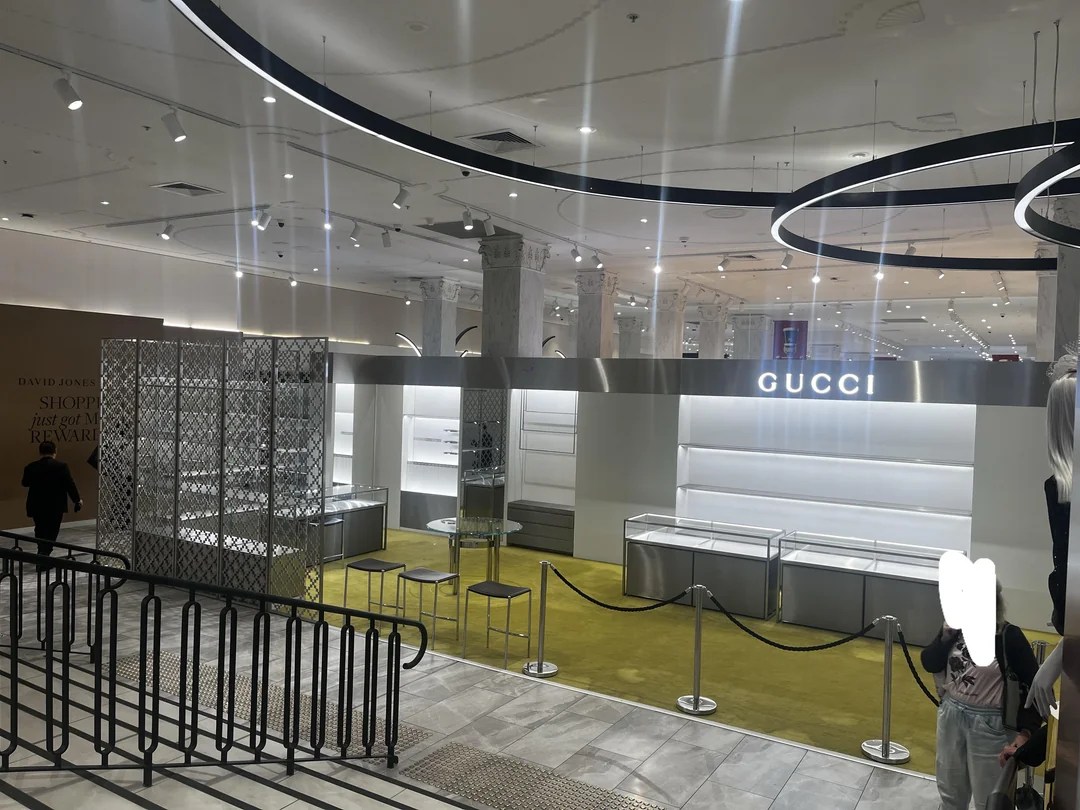
Images show empty stands at Gucci, Saint Laurent and Bottega Veneta at David Jones’ flagship Bourke St store in Melbourne.

At David Jones’ flagship Bourke St store in Melbourne, the Saint Laurent pad had been cleared of stock. Reddit
A similar story at Bottega Veneta, where all stock had been removed by employees. Reddit
A user took to Reddit to show several luxury brands pulling their stock from David Jones.

Typically, these luxury brands operate within a department store under a “concession pad” agreement.

The brand rents the floor space from David Jones, but owns 100 per cent of the stock and is responsible for paying and training the staff who work on the “pad”.

Under most agreements, the brand pays David Jones a percentage-based commission on every sale made within their pad.

The Money Edition has contacted Gucci, Saint Laurent and Bottega Veneta for comment.

David Jones currently operates 38 stores across Australia and New Zealand and employs around 6000 staff.

While the future of the stores, and the employees, is uncertain, receivers FTI Consulting said in an update on Thursday that physical retail outlets and the David Jones online store would continue to operate as normal.

“We understand the current retail trading environment, rising costs, a significant and outdated retail footprint, and supply chain challenges have led to this point,” said Christopher Hill of FTI Consulting.

“Voluntary Administration and Receivership provides breathing space and an opportunity to restructure the business.

“We will manage this process carefully, mindful of the impact on some stakeholders but also recognising the need for difficult decisions.”

An empty display within an otherwise largely well-stocked David Jones store in Melbourne. AAP Image/Nick Wilson

Shoppers urged: Use your gift cards now

Consumer who hold an unused David Jones gift card are being urged to use them as soon as possible, as a business in administration cannot guarantee that they can be fulfilled.

“The entry of David Jones into administration, and appointment of a receiver by the secured creditor, raises questions about how and when David Jones’ employees might be paid wages, superannuation and outstanding leave entitlements,” said Dr Tamara Wilkinson from the Faculty of Law at Monash University.

“Customers holding gift cards are also likely wondering whether these will be honoured.

“Australian insolvency law protects employees, suppliers and other creditors of a company, including customers with gift cards, but cannot guarantee there will always be enough money to pay them.”

david jones.
Shoppers are urged to use their gift cards while they still can. AAP

Angus Kidman, shopping expert at comparison site Finder, was even more direct.

“If you’ve got a David Jones gift card, use it as soon as you can. If the business doesn’t find a buyer, that gift card will almost certainly be worthless,” he said.

“Stores appear to be accepting gift cards for now, so don’t delay. That also applies to any discounts you’ve earned through David Jones Rewards.”

Dr Wilkinson said the administration of David Jones also meant that wages owed to employees may also be at stake.

“Because a receiver has been appointed over David Jones’ holding company by the corporate group’s secured creditor, it is likely that secured creditor will receive some payment before employees or other creditors,” she said.

“Whether employees get paid, and how much they receive, depends in part on which company assets are available and whether those assets are covered by the lender’s security.”

TME Posts Home

RBA fears loss of trust will make tackling inflation harder

Deputy Governor of the RBA, Andrew Hauser, says the RBA must be trusted. AAP/The Money Edition
Share
Twitter Facebook Reddit Pinterest Email
  • RBA Deputy Governor Andrew Hauser has given a speech, speaking for the first time since Tuesday’s rate rise.
  • He says it is imperative that Australians trust that the RBA is capable of bringing down inflation, otherwise they lose their power.
  • Inflation is resulting in rising anger around the world, he said.

The Reserve Bank needs to better explain its decisions to regular Australians, the bank’s second-in-command has said, days after raising interest rates to their highest level in 18 years.

In the first speaking engagement by an RBA official since Tuesday’s decision, deputy governor Andrew Hauser said surveys showed trust in the central bank has remained surprisingly stable, despite rapid tightening in monetary policy in recent years.

But trust is hard won and easily lost, he said on Thursday.

“William McChesney Martin vividly described the central bank as a ‘chaperone who has ordered the punch bowl removed just when the party was really warming up’,” Mr Hauser told an audience at the Australian National University in Canberra.

“Taking away the punch bowl is rarely a way to win instant popularity. The question is whether people can see why the difficult decision is necessary, even when its immediate effects are unwelcome.”

Annual inflation climbed to 4.3 per cent in September and apart for a brief period in early 2025, it has remained above the mid-point of the RBA’s two to three per cent target band since the end of COVID-19.

Australia was not alone in experiencing high inflation, and it was resulting in rising anger around the world, Mr Hauser said.

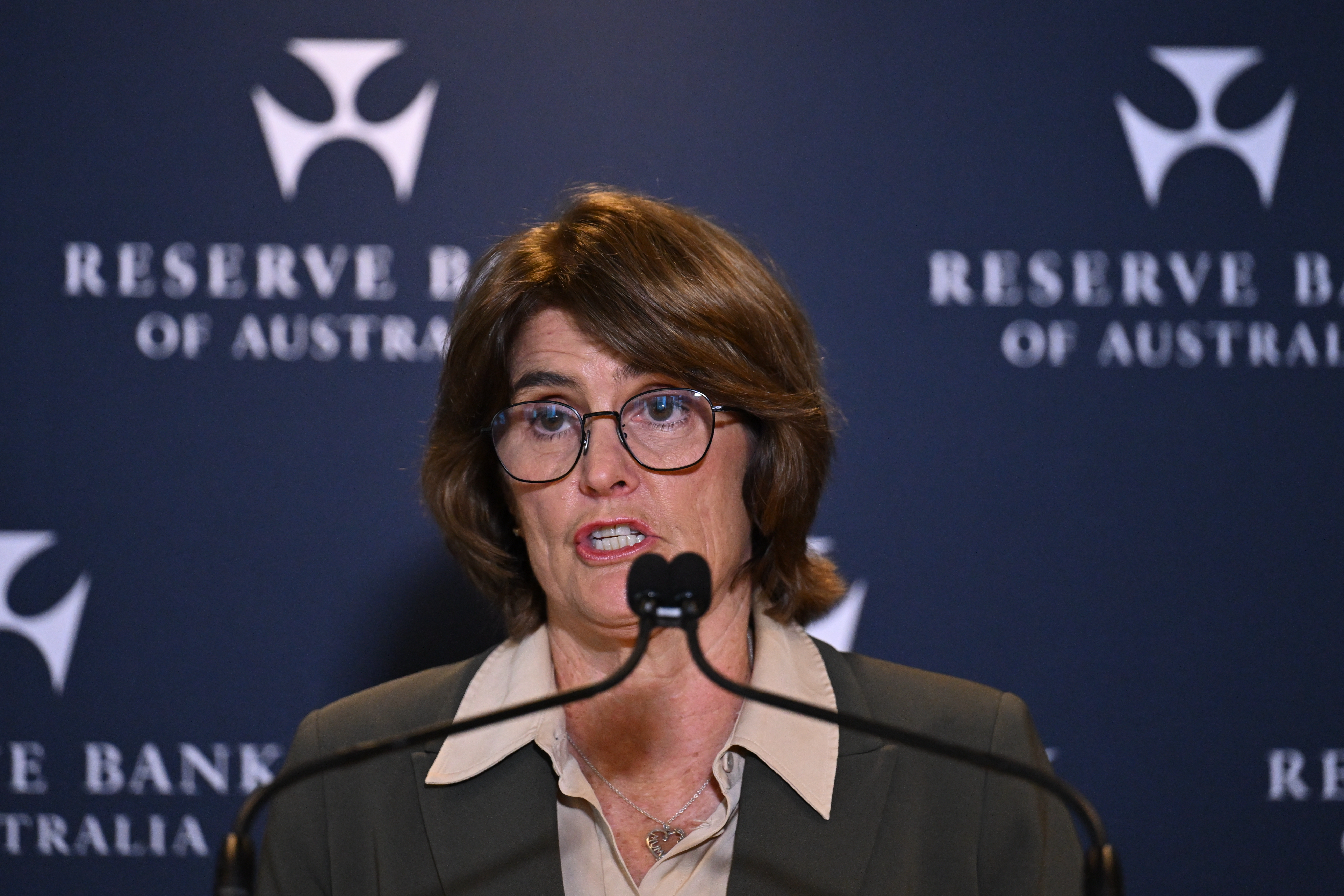
Reserve Bank of Australia Governor Michele Bullock said the hike was a case of “some pain now to avoid pain later.” AAP Image/Dean Lewins

But safeguarding trust in the RBA is more important than simply maintaining the board members’ popularity among the community.

Trust that the central bank is up to the job and has the public’s best interest at heart is integral to keeping inflation under control.

Mr Hauser and other top RBA officials have in recent times been banging on about the importance of keeping inflation expectations “anchored”.

The longer inflation remains above target, the greater the risk that households and businesses will lose faith in the RBA’s ability to keep price growth subdued in the long run.

If employers and employees think prices will be significantly higher in a few years’ time, that flows through to what prices businesses decide to set for goods and services, or what pay rises unions ask for.

Longer-term inflation expectations have remained anchored among financial markets, but businesses have increasingly been telling the RBA they are less sure the inflation target will be achieved over the next five to 10 years.

“For a central bank, trust is not a nice-to-have. It’s integral to how monetary policy works,” he said.

“When people trust us to deliver the goals we’ve been asked to pursue, policy is more effective and less costly.”

Mr Hauser argued it was incumbent on the RBA to achieve its policy goals of bringing down inflation as well as better informing the public of why it was causing short-term pain for long-term economic benefit.

-AAP

TME Posts Home

House price falls barely ease mortgage pain as rates climb

interest rates
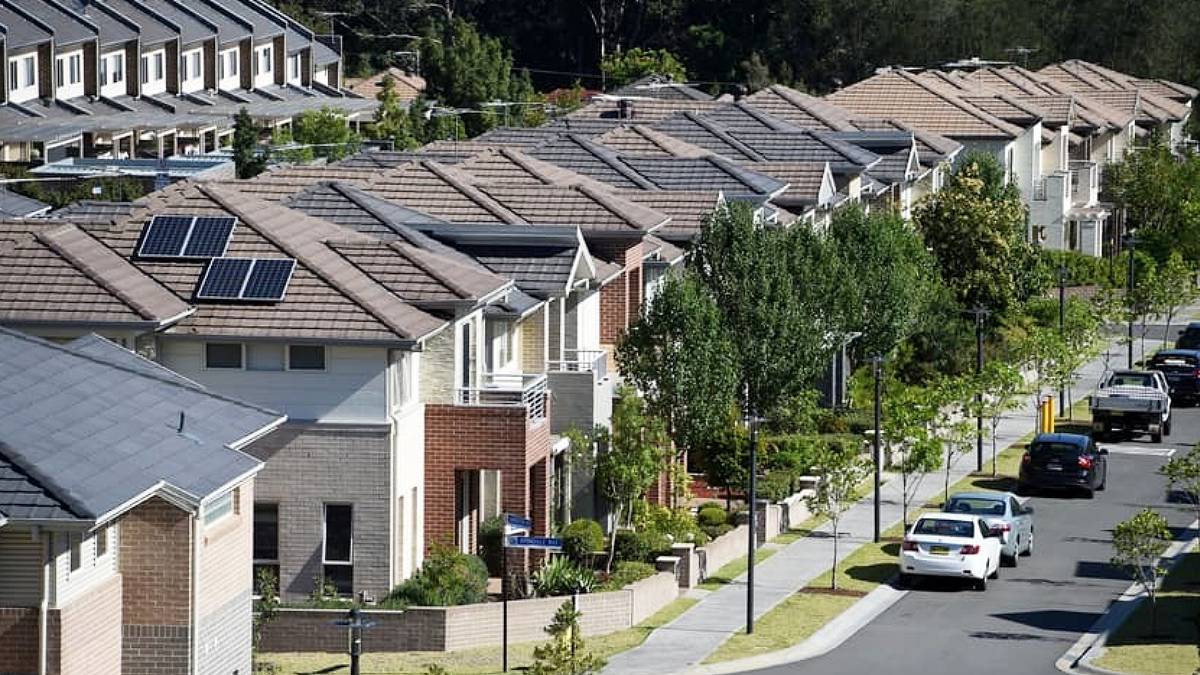
Falling house prices have not given buyers any value as interest rates rise. AAP
Share
Twitter Facebook Reddit Pinterest Email
  • Combined capital house prices have fallen about $81,000 from their peak, but estimated monthly repayments are down just $10, Domain analysis shows.
  • Sydney buyers face estimated repayments of $8,211 a month, above the level at the city’s December 2025 peak, despite a 7.9 per cent price fall.
  • Prices would need to fall another 9.8 per cent across the combined capitals for repayments to sit 10 per cent below their peak.

Australian home buyers are getting little relief from falling house prices, as higher borrowing costs offset much of the benefit and keep mortgage repayments close to their peak.

Combined capital house prices have fallen about $81,000, or 6.2 per cent, from their March 2026 peak, yet estimated monthly repayments are down just $10, or 0.2 per cent, to $6,063, according to new analysis from property marketplace Domain.

Buyers need $16,289 less for a 20 per cent deposit across the combined capitals, but estimated repayments are now higher than at the peak in Sydney, Melbourne and Canberra.

The figures show the downturn is cutting the upfront cost of buying but barely denting the cost of repaying a loan, even after house prices fell across every capital in the September quarter for the first time in 15 years and only the second time on record.

“Comparing the monthly repayments required at each city’s price peak with those required today shows just how much borrowing costs have offset falling prices,” Domain chief residential economist Dr Nicola Powell said.

“In some cities, buyers are actually paying more each month to service a mortgage on a cheaper home.”

house prices
National median dwelling values fell another 1.2 per cent in October, property data shows. Photo: AAP

Sydney house prices are 7.9 per cent below their December 2025 peak, cutting the deposit required by $28,612, yet estimated monthly repayments have edged up 0.2 per cent to $8,211, from $8,195.

Melbourne repayments have climbed 1.5 per cent despite a 6.7 per cent price fall, while Canberra’s are up 1.9 per cent after a 4.3 per cent drop from its March 2026 high.

Perth recorded the steepest fall from its peak at 8.0 per cent, with repayments down just 2.1 per cent, while Brisbane’s fell 3.9 per cent, or $231 a month, partly because only one rate rise came between its June 2026 peak and the September quarter.

Adelaide, Hobart and Darwin recorded modest repayment declines of between 1.0 per cent and 1.5 per cent.

Falling house prices were making it “cheaper to buy, but not necessarily more affordable to borrow”, Dr Powell said, as higher interest rates mean the cost of servicing a mortgage “has barely changed.”

The ability to service a mortgage has changed far less than the deposit required, with Dr Powell warning, “a household unable to meet a lender’s serviceability requirements at the peak may be little better placed today, all else being equal.”

oecd
In some cities, buyers may even be paying more, for less. Photo: AAP

How much further would prices need to fall?

A meaningful improvement in mortgage affordability would require either lower borrowing costs or further price falls, Domain said.

For repayments to sit 10 per cent below their peak, combined capital prices would need to fall another 9.8 per cent, including 10.2 per cent in Sydney and 11.4 per cent in Melbourne.

Canberra would need the biggest further fall at 11.7 per cent, while Brisbane is closest at 6.3 per cent, and Adelaide, Perth, Hobart and Darwin would need falls of between 8.1 per cent and 9.1 per cent.

“These are not forecasts of future house prices, but they show how much higher borrowing costs have changed the affordability equation,” Dr Powell said.

The analysis uses September-quarter borrowing costs, before the Reserve Bank of Australia (RBA) lifted the cash rate to 4.85 per cent on Tuesday, its fifth rise this year.

Domain’s estimates assume a 20 per cent deposit and a 30-year principal-and-interest loan at the RBA’s average rate on new owner-occupier loans, and exclude stamp duty and conveyancing fees.

Further increases remain a risk with inflation still elevated, the platform noted, and Dr Powell said any further rise in mortgage rates “would mean prices need to fall further to deliver the same improvement in affordability.”

TME Posts Home
Updated:

Bendigo Bank follows big four in lifting interest rates after RBA call

Bendigo Bank has followed the big four in passing on the RBA's rate hike. AAP Image/James Ross
Share
Twitter Facebook Reddit Pinterest Email
  • Bendigo Bank has followed in the footsteps of the “big four”, raising interest rates on its variable home loans by 0.25 per cent.
  • Almost all major lenders have now passed on the RBA’s Tuesday rate hike in full.
  • For savings accounts, the news is far more sporadic: Some banks have passed on the hike, but only if conditions are met.

Bendigo Bank is the latest lender to pass on the Reserve Bank of Australia’s (RBA) Tuesday interest rate hike in full.

The bank informed customers today that it was lifting the pricing of all of its home loan customers on a variable rate loan by 0.25 per cent.

Bendigo’s Chief Customer Officer Consumer, Christopher Dean, said the bank had “carefully considered” the impact another rate hike would have.

“Bendigo Bank continues to carefully consider the impact of interest rate changes on all of our customers. We know these changes can be challenging for some borrowers and want to reassure our customers that our teams are ready to support those who need our help,” he said.

“At times like these, some borrowers will be considering whether their current home loan suits their needs.”

Scams
Australia’s major banks have all now increased their variable rates. Photo: AAP

Bendigo’s call came just hours after CBA and ANZ also locked in a 0.25 per cent hike to their own variable rate products, meaning all “big four” banks had passed on the rate in full.

Bendigo’s hike will take effect on November 11, while all the big four banks will have their increases take effect on Friday, November 13.

Canstar analysis now shows that a typical borrower taking on a $600,000, 30-year mortgage five years ago would have started paying a relatively modest $2,399 a month.

Fast forward to today, once this latest hike kicks in, and they’ll need to find $4,056. That’s $1,657 more than their initial monthly cost.

Of the big four, Westpac now offers the lowest variable rate at 6.49 per cent, while ANZ offers the highest at 6.75 per cent.

Sally Tindall, data insights director at Canstar, said many borrowers still have time to assess their options.

“Predictable and painful – the big four banks have now confirmed their mortgage rates are on the rise, once again, by the full 0.25,” she said.

“While the big banks will start charging their variable home loan customers higher rates from next Friday, borrowers should know it can take up to three months for the extra money to start coming out of your bank account.

“The banks do this to give customers ample time to raise the red flag, and for some, this rate hike could be the one that pushes them to do this.”

savings rates rises
Banks are in the spotlight for the rates of interest they pay to savers. AAP

What about impacts to savings accounts

While banks are typically quick to pass on interest rate hikes to borrowers, savings accounts rarely see the same speed.

On Wednesday, ANZ announced it would increase the bonus rate on its Plus Growth Saver product by 0.25 per cent, and Westpac also announced it would lift the interest rate on its bonus saver accounts by the same amount.

CBA and NAB have so far made no call on their savings rates.

“For savers, the news is unfortunately coming through on a drip-feed,” Tindall said.

“Westpac and ANZ have confirmed select savings rates are getting a boost, but these rate rises are contingent on customers meeting the banks’ terms and conditions.

“Meanwhile, CBA and NAB haven’t even bothered to announce savings relief today.

“It’s one of the most frustrating plays in the banking handbook: rapid, universal hikes for borrowers, conditional ones for select savers.”

Correction: An earlier version of this story incorrectly stated that Bendigo Bank’s increase will take effect immediately. It will take effect from November 11.

TME Posts Home

Young Australians are trusting AI for financial advice. But chatbots can fail in three ways

investments rate hikes
Young Australians are turning to AI chatbots for investment advice - but it doesn't always ends well. Photo: TND
Share
Twitter Facebook Reddit Pinterest Email
  • Young Australians are being urged to be mindful of using AI for investment advice, as it’s often confident without the experience to back that up.
  • AI is also not accountable if an investment goes sour, and can recommend products that may not be best suited to the investor.
  • Younger Aussies are turning to AI chatbots because they do not judge for “stupid questions” and often encourage half-thought schemes.

For the first time, more young Australian investors are taking investment advice from artificial intelligence (AI) than from a financial professional.

The Australian Securities Exchange’s Australian Investor Study reports that out of investors aged 18 to 29, 24 per cent had used an AI tool for investment advice in the past year, and 19 per cent had used a financial planner or adviser.

By comparison, 19 per cent of investors aged 30 to 49 used AI for advice, just 6 per cent of 50 to 64-year-olds, and 1 per cent of over 65s.

Chatbots are free, always available and happy to answer any money question.

They are also unlicensed, accountable to no one, prone to confident mistakes, and sit outside the complaints and compensation schemes built for people who get bad advice.

Chatbots are free, always available and happy to answer any money question. They are also unlicensed and accountable to no one. AAP

Why Gen Z invests differently

Researchers use a framework called “generational cohort theory” to explain why generations behave differently. The big events you experience growing up shape your values, beliefs and attitudes, including how you spend and invest.

Gen Z grew up with the global financial crisis, the COVID pandemic and a worsening climate outlook. They are the “anxious generation”. It changed how they think about money.

Previous generations saved from a salary, bought a home and then started investing once they felt secure. Shares were a second layer of wealth, built on a house and a steady job.

Gen Z has watched house prices climb out of reach and sees no quick end to the cost-of-living crisis. For them, direct investing — in shares, exchange-traded fund (ETF) or crypto — has become the main way to build wealth, not a back-up.

The catch is they start investing earlier in life, with less experience and less of a financial safety net.

What are young people asking AI?

The Australian Securities Exchange survey doesn’t say. Two other surveys this year help fill some of the gap.

AustralianSuper found 28 per cent of 18 to 29-year-olds use AI for financial guidance, mostly to research and compare investment options. Most check what they’re told elsewhere. But one in four have acted on AI-generated financial information without checking.

The corporate regulator’s Moneysmart research found 64 per cent of young Australians trust AI platforms for money advice. AI was their most trusted source, ahead even of “finfluencers”, the social media personalities who give money tips.

Some human advice

Despite the rise of artificial intelligence, people still matter.

Young investors want professional advice. Nearly half say they intend to see a financial adviser in the next year, but are deterred by the cost.

It’s no surprise Gen Z leans on the people around them. Of those surveyed by the ASX, 45 per cent rely on their family and friends as a source of investing information. So why turn to a chatbot as well?

Because a chatbot never judges you. Friends and family can be negative, busy or dismissive. AI makes you feel confident and smart, every time.

Young investors are cautious. Of those surveyed, 79 per cent of them prefer guaranteed or stable returns. They are also the least confident in their own knowledge. No wonder they turn to a tool that never sounds unsure of itself.

AI isn’t replacing human advice so much as filling a psychological gap. It offers the safety and confidence young investors seek, but none of the safeguards attached to regulated advice.

AI lacks human emotion
Younger Aussies are increasingly turning to AI for investment advice. Photo: Getty

So what’s the harm?

A chatbot fails in three ways a licensed adviser can’t.

1. It sounds confident, even when it’s wrong

Chatbots answer from training data that may be out of date, or from web sources they can misread. The result is fluent, confident answers that may be flatly wrong, also known as AI hallucinations.

2. It remembers what you tell it

To get useful guidance about your money, you have to tell the chatbot about your finances. Depending on your settings, chats can be stored, reviewed by tech company staff and used to train future models.

3. Nobody is on the hook

A licensed adviser must act in your best interests and put their advice in writing. If they get it wrong, you can complain to the Australian Financial Complaints Authority.

A chatbot has no licence, no duty to act in your interests, gives no written advice, and no ombudsman coming to your rescue.

What needs to change

AI is a reasonable place to learn what an exchange-traded fund is. It is a much less reliable place to decide whether to buy one. If you do, ask for sources, check them against the government’s Moneysmart website, keep your account details out of it, and talk to a knowledgeable person before you act.

The UK’s financial regulator has asked AI companies to add clear disclaimers to financial answers. Perhaps Australia should follow suit if it wants to protect young investors from harm.

Young Australians are turning to retail investing as a main route to wealth. They want advice that makes them feel safe, but can’t afford the professionals.

The government has plans for a new class of adviser that will only operate through super funds and life insurers. That misses where Gen Z actually builds wealth.

Until affordable, licensed advice exists where Gen Z actually builds wealth, that gap will likely be filled by whatever is free and makes them feel safe, confident and smart.

This article has been reproduced with permission from The Conversation. You can read the original story here.